
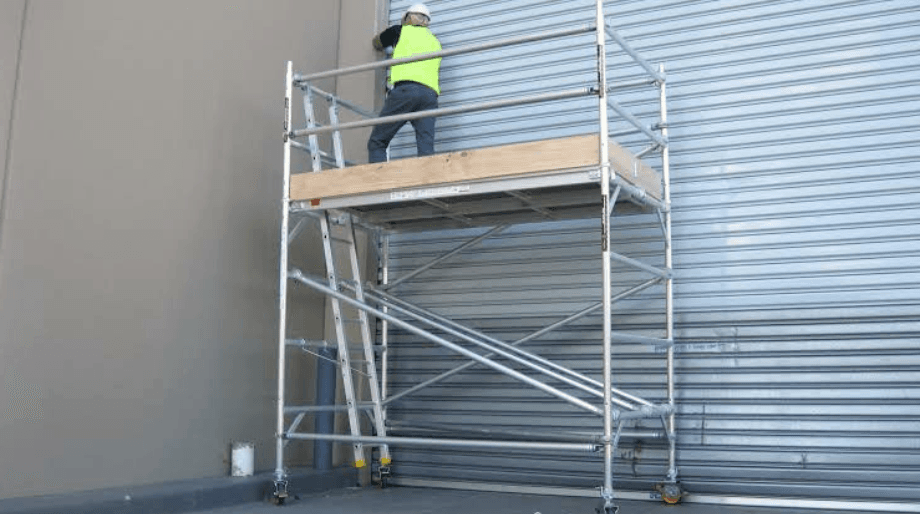
Scaffold tower hire gives DIYers safe, stable access for jobs like painting fascia boards, cleaning gutters or a loft conversion, without the cost of buying a tower outright. Here's everything you need to know before you book one.
What Exactly Is a Scaffold Tower?
A scaffold tower is a temporary, freestanding framework made from steel or aluminium tubes. It's essentially a mobile platform that allows you to work safely at height without relying on ladders. These towers come in various heights, typically ranging from 2 metres up to 12 metres or more, and they're brilliant for residential DIY projects because they're relatively straightforward to assemble and take down.
Unlike traditional scaffolding, which requires professional installation and is more expensive, scaffold towers are modular systems that stack together. You'll usually find them made from lightweight aluminium or robust steel, with safety features like guardrails, toe boards, and sturdy platforms. They're designed to be hired for short-term projects – perfect for the average homeowner tackling external work.
Understanding the Legal Requirements
Before you hire a scaffold tower, it's important to understand the UK regulations that govern working at height. The Health and Safety at Work etc. Act 1974 sets out clear requirements, and the Working at Height Regulations 2005 specifically apply to scaffold tower use.
Here's what you need to know: if you're working above 2 metres, you must use appropriate fall protection equipment. This might include safety harnesses, lanyards, and anchor points. Even for DIY projects, these regulations apply – they're not just for professional construction sites.
The Local Authority Building Control can provide guidance on your specific project, and the Health and Safety Executive (HSE) publishes detailed information on working safely at height. I'd strongly recommend reviewing their guidance before your hire. Additionally, make sure the hire company supplies towers that comply with BS EN 1004 standards – this is the British Standard for temporary mobile work platforms.
Choosing the Right Tower for Your Project
Selecting the correct scaffold tower comes down to three key factors: height required, platform size, and weight capacity. Let me break these down:
Height: Measure the maximum height you need to reach, then add about 1 metre for safe working platform height. Remember, you shouldn't lean over the edge – your body should remain within the guardrails. A typical two-storey house usually requires a tower around 5-6 metres high.
Platform size: Larger platforms give you more working space and comfort, which means better productivity. However, they're also bulkier to manoeuvre. For most residential work, a platform of around 1.3m x 0.8m is ideal.
Weight capacity: Check how much the tower can safely support. This includes your body weight, tools, materials, and any equipment you're carrying. Most domestic hire towers support 150-200kg on the platform.
Pre-Hire Checklist
- Measure the exact height you need to reach on your building
- Assess your site – is the ground level and firm? Uneven ground requires levelling plates
- Check weather conditions – wind speed limits apply to scaffold tower use
- Ensure you have enough space for the tower's footprint, plus assembly area
- Verify you have adequate access for delivery and collection vehicles
- Check that you have appropriate insurance for hire equipment (your home insurance may or may not cover it)
- Confirm the hire period needed – most companies charge daily, weekly, or longer-term rates
Assembly, Safety, and Best Practices
Once your scaffold tower arrives, take time to read the manufacturer's instructions. Seriously – I cannot stress this enough. Each model has specific assembly procedures, and skipping steps is where accidents happen.
Here's my golden rule: assemble on level ground. If your site isn't perfectly level, hire levelling plates to support the base feet. Never use bricks, blocks, or other makeshift solutions. The tower's stability depends on proper foundation support.
Most rental companies will deliver and set up, or provide a setup guide. Some homeowners prefer paying for professional assembly – and honestly, for peace of mind, that's often worth it. The hire cost for assembly is usually modest compared to the value of safety.
Always use guardrails and safety features. Never remove or disable safety equipment. Don't overload the platform with materials – take it gradually, and never exceed the specified weight limit. If you're working at significant heights, use a safety harness connected to a proper anchor point.
Conduct a daily visual inspection before climbing the tower. Check that all bolts are tight, platforms are secure, and there's no visible damage. Don't use the tower in high winds – the hire company will advise on wind speed limitations.
Cost-Effective Hiring Tips
Scaffold tower hire is remarkably affordable. Expect to pay anywhere from £30 to £80 per week for a standard domestic tower, depending on size and location. Here's how to get the best value:
Plan your project efficiently so you're not paying hire charges while waiting for other trades. Bundle multiple tasks into one hire period if possible. Ask about discounts for longer-term hire – two or three weeks often costs less per day than a one-week rental. Many companies offer collection and delivery, which saves you time and effort.
Ready to Get Your Scaffold Tower?
Scaffold tower hire makes working safely at height accessible and affordable for DIY projects. With the right tower, proper safety precautions, and a bit of planning, you'll tackle that external project with confidence and comfort.
Ready to find local scaffold tower hire companies near you? Head over to GetBrent.co.uk and search for equipment hire in your area. You'll find trusted, local providers who can help you select the perfect tower for your project, deliver it promptly, and ensure you've got all the support you need. Your DIY dreams are just a tower away!