Hello, I'm Brent, and I've spent the better part of two decades helping people across the UK figure out whether they should hire or buy their trailers and equipment. It's one of the most common questions I get asked, and honestly, there's no one-size-fits-all answer. The right choice depends entirely on your circumstances, budget, and how often you actually need the kit. Let me walk you through the key considerations that'll help you make the best decision for your situation.
Understanding the True Cost of Ownership
When you're thinking about buying a trailer, most people focus on the purchase price and stop right there. That's a mistake. Ownership comes with hidden costs that can really add up over time.
You'll need to factor in maintenance and repairs, which become increasingly expensive as the trailer ages. There's MOT testing every year (mandatory for trailers over 750kg, as per DVSA regulations), insurance, storage costs if you don't have suitable space at home, and registration fees. If your trailer sits unused for months on end, you're essentially paying to store a depreciating asset.
Depreciation is another serious consideration. A trailer loses value quickly in the first few years, especially if it's subject to wear and tear. Conversely, if you hire, there's no depreciation worry – you simply return the equipment and walk away.
When Hiring Makes Perfect Sense
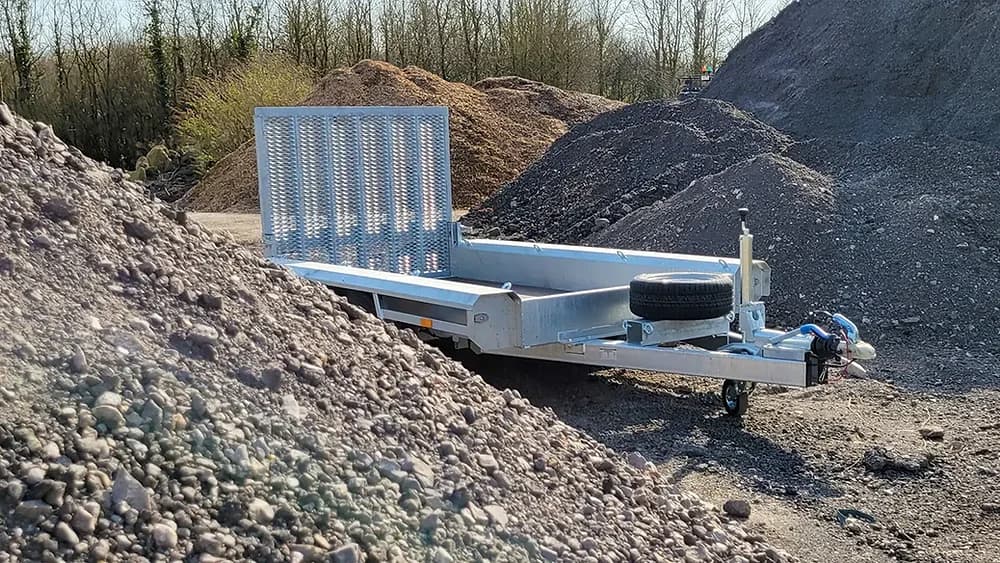
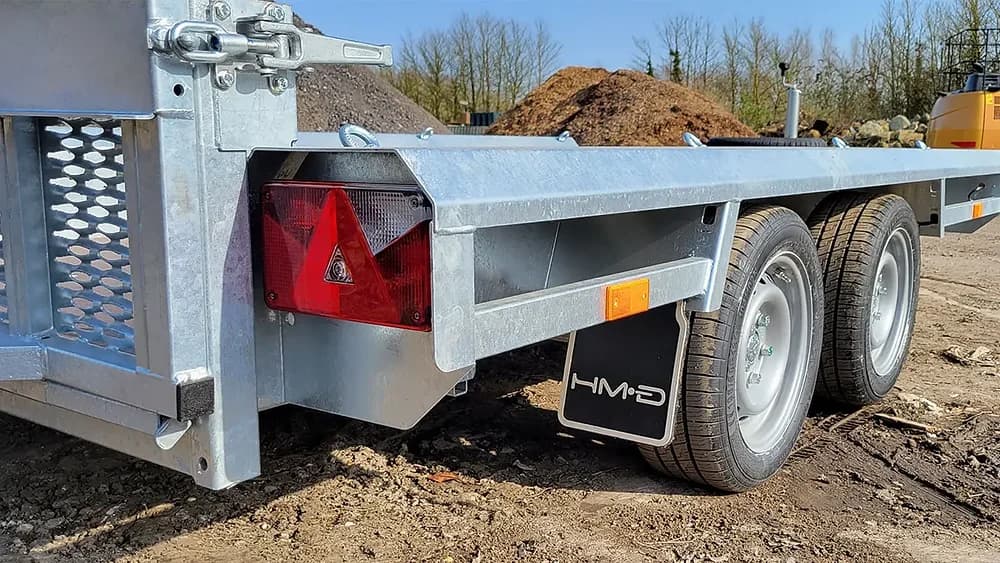
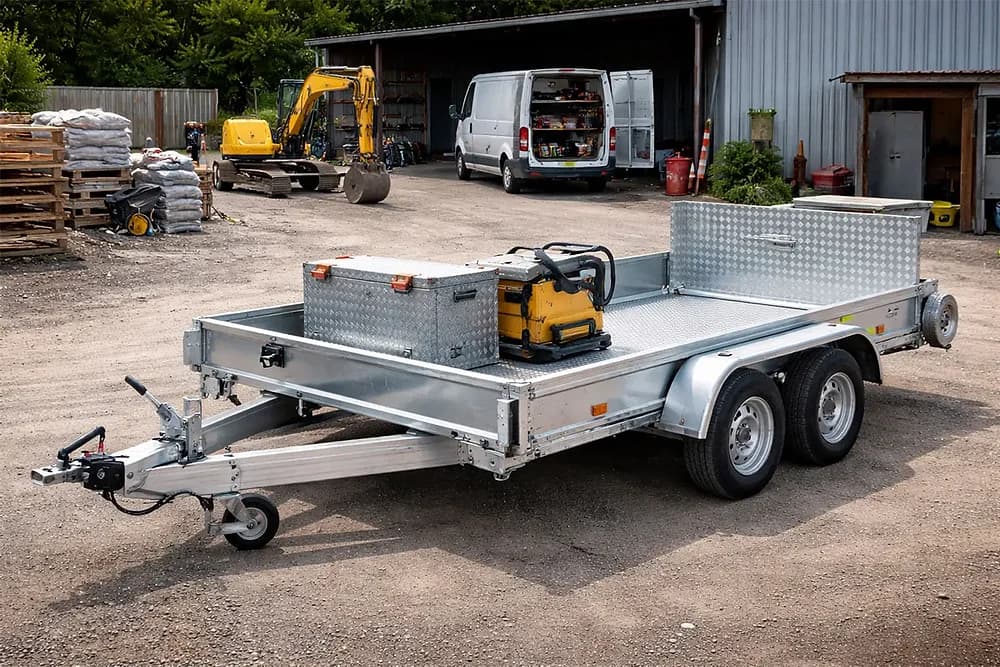
Hiring is brilliant if you need a trailer occasionally or for a specific project. Think of it as paying only for what you use. Got a house move coming up? Hiring a flatbed trailer for a weekend costs far less than buying one outright. Need specialist equipment like a plant trailer or enclosed box for a one-off job? Hire it.
The benefits of hiring are genuinely compelling:
- No maintenance responsibility – the hire company handles servicing and repairs
- No storage headaches – collect it, use it, return it
- Access to specialist equipment you might never own otherwise
- No depreciation concerns
- Insurance is typically included in your hire agreement
- You're always using well-maintained, roadworthy equipment
From a practical standpoint, if you use a trailer fewer than a dozen times per year, hiring is almost certainly more economical. The flexibility also matters – you can hire larger equipment for big jobs without tying up capital or storage space.
The Case for Buying
If you're using a trailer regularly – whether that's for business, hobby, or frequent personal projects – buying becomes increasingly sensible. Once you've covered the purchase cost through regular use, ongoing expenses are relatively modest if you maintain the equipment properly.
Buying gives you complete control and availability. There's no need to ring ahead and book, no waiting for availability, and no returning equipment on a deadline. For business owners, having your own trailers means you can scale operations without worrying about hire availability during peak seasons.
Tax advantages can apply too. If you're self-employed or run a business, trailer purchases may be deductible as capital expenditure, and you can claim depreciation on your tax return. It's worth discussing with your accountant.
However, buying only makes financial sense if you'll use the trailer regularly enough to offset those ownership costs I mentioned earlier.
Key Considerations Checklist
Before making your decision, work through this practical checklist:
- Usage frequency: How many times per year will you realistically use it?
- Storage: Do you have secure, suitable storage space available?
- Maintenance capability: Are you comfortable with basic maintenance, or would you need to pay for servicing?
- Specialisation: Do you need general-purpose or specialist equipment? (Specialist kit is better hired)
- Capital: What's your budget, and would the purchase strain your finances?
- Business use: Is this for business purposes where tax deductions apply?
- Future needs: Will your requirements change significantly in the next few years?
- Regulatory requirements: Check that you have the appropriate driving licence category for the trailer weight (DVSA guidelines on towing capacity are crucial here)
A Hybrid Approach
Here's something many people don't consider: you don't have to choose one or the other exclusively. Plenty of people own a general-purpose trailer for regular use but hire specialised equipment when needed. This hybrid approach gives you the best of both worlds – the convenience and cost-effectiveness of ownership for frequent jobs, plus the flexibility to hire when you need something different.
If you're running a business, owning a couple of standard trailers for everyday work while hiring specialist equipment for specific projects is often the smartest strategy.
The decision between hiring and buying ultimately comes down to your specific needs, usage patterns, and budget. If you're leaning towards hiring, there's brilliant news – finding reliable, local trailer and equipment hire companies is straightforward. Head over to GetBrent.co.uk, where you'll find a comprehensive directory of trailer and equipment hire companies across the UK. Compare options, read reviews from other users, and find exactly what you need in your area. Getting the right equipment at the right price has never been easier.